

In the ever-evolving world of coffee culture, one name consistently stands out for its commitment to quality, craftsmanship, and tradition—Peets. Established in 1966, Peets has positioned itself as a pioneer of the craft coffee movement in the United States, embedding a rich legacy that emphasizes artisanal roasting, sustainable sourcing, and a deep appreciation for flavor. Whether you're a seasoned connoisseur or a curious newcomer, exploring what makes Peets a coffee icon offers a window into a world where passion meets perfection, making each sip an experience worth savoring.

For over five decades, Peets has cultivated a reputation rooted in authenticity and a relentless pursuit of excellence. The story begins with Alfred Peet, who revolutionized the American coffee scene with his dedication to roasting beans to bring out complex flavors and aromas. His dedication created a ripple effect, inspiring countless coffee artisans and fueling a renaissance in specialty coffee. Today, Peets continues this legacy by blending tradition with innovation, ensuring every batch of coffee upholds the highest standards.
Personal insights: The essence of Peets isn't just in the beans but in its unwavering commitment to the craft. This dedication radiates through every cup, whether it’s a meticulously roasted dark roast or a bright, lively blend. Passionate about sustainability and ethical sourcing, Peets emphasizes the importance of respecting the farmers and ecosystems involved in producing high-quality coffee.

An enduring heritage: Peets’ philosophy centers around respecting coffee’s origin while celebrating its diversity. From small-batch roasting to ensuring fair trade practices, Peets aims to deliver an authentic coffee experience to every customer.

Peets’ influence extends beyond its dedicated cafes—its innovative approaches pushed the industry toward a focus on craft and quality. By popularizing darker roasted beans and educating consumers on flavor profiles, it helped redefine what Americans expect from their coffee. The rise of specialty cafes, artisanal brewing methods, and premium bean options can all trace a line back to Peets’ trailblazing efforts.
Thoughts on cultural influence: The establishment of Peets and similar brands catalyzed a shift from generic coffee chains to appreciation of nuances in taste, aroma, and brewing techniques. It empowered consumers to seek out richer, more complex coffee experiences, elevating the entire industry.

Peets isn’t just about nostalgia; it’s also synonymous with innovation and variety. Its extensive menu caters to diverse tastes—whether you prefer a bold dark roast, a smooth medium-bodied blend, or a decaffeinated option. The company's commitment to sourcing high-quality beans, along with their artisanal roasting process, translates into a spectrum of flavors that satisfy every palate.
Before delving into specific products, it’s important to recognize: Peets’ careful curation of coffee offerings ensures consistency, quality, and freshness. From whole beans to expertly crafted ready-to-drink options, the brand’s portfolio reflects its multi-faceted approach.

Peets’ signature blends are designed to embody the utmost in flavor and aroma, crafted from beans sourced from renowned coffee regions. These blends often tell stories of their origins, offering drinkers a journey through diverse landscapes.
Personal insight: The signature blends often showcase the depth of Peets’ roasting expertise, balancing acidity, body, and flavor notes to create memorable experiences—each cup crafted with a clear purpose.

Peets prides itself on offering single-origin coffees that highlight unique terroirs, allowing customers to explore the distinct characteristics of beans from Ethiopia, Colombia, and beyond. These offerings often rotate seasonally, providing fresh opportunities for enthusiasts to expand their palate.
Analysis: These selection methods underscore Peets’ dedication to transparency and education. They enable consumers to appreciate the nuanced differences, fostering a deeper connection to the coffee’s story.
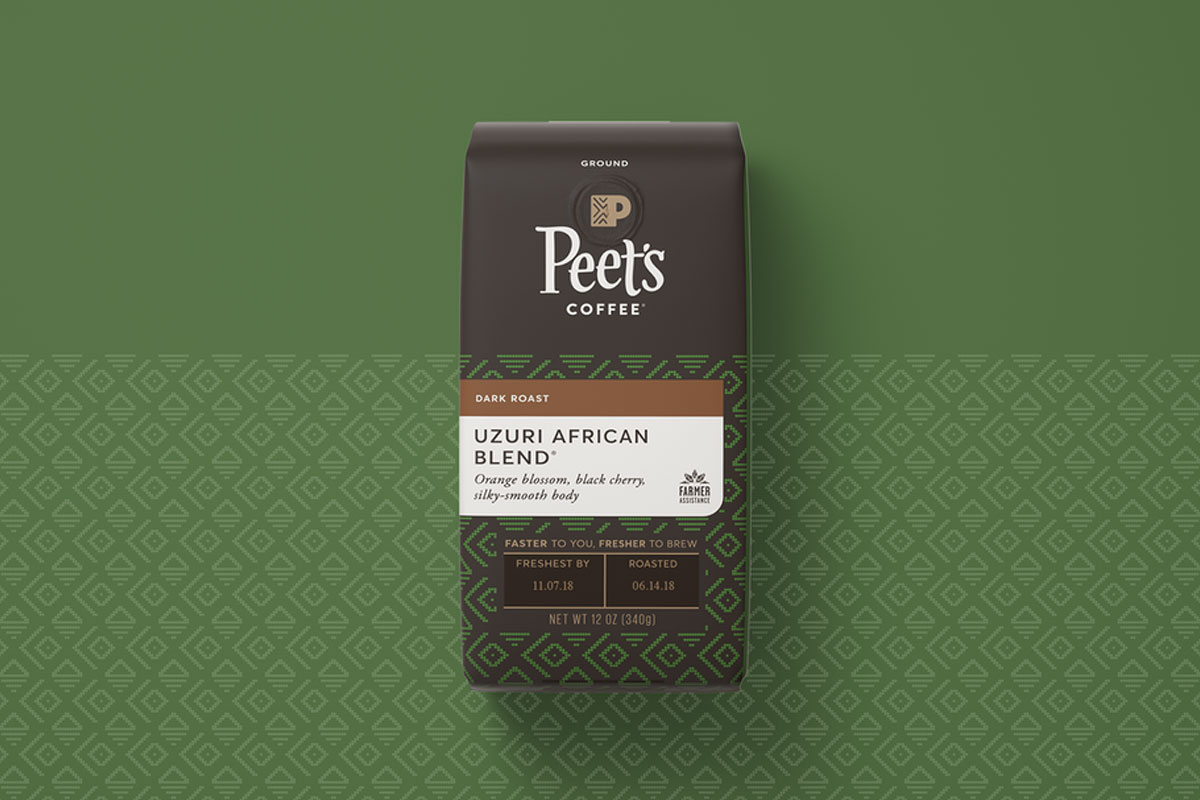
With digital innovation, Peets has expanded into online sales, offering curated bundles, subscriptions, and limited-edition releases directly to consumers’ homes. Additionally, their ready-to-drink beverages provide the convenience of high-quality coffee on the go—perfect for busy lifestyles.
Creative thoughts: This diversification demonstrates Peets’ responsiveness to modern trends, blending tradition with convenience without sacrificing quality.
| Coffee Type | Origin Region | Roast Level | Flavor Profile | Price Range (per lb) |
|---|---|---|---|---|
| Major Dickason’s Blend | Latin America & Asia | Dark Roast | Rich, smoky, full-bodied | $15 - $20 |
| Colombia Supremo | Colombia | Medium Roast | Bright acidity, caramel notes | $16 - $22 |
| Ethiopian Yirgacheffe | Ethiopia | Light Roast | Floral, citrus, tea-like | $18 - $25 |
| Decaffeinated French Roast | Various | Dark Roast | Bold, smooth, lower acidity | $15 - $20 |
This table illustrates the diversity of Peets’ offerings, indicating their commitment to catering to different taste preferences and price points.
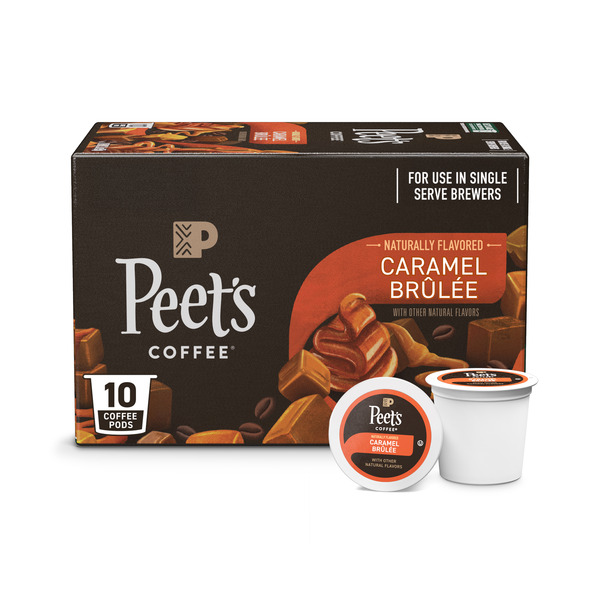
Sustainable practices are at the core of Peets’ mission. As the coffee industry faces challenges related to climate change, fair labor, and environmental impact, Peets takes proactive steps to make a difference.
Taking action: Through direct partnerships with farmers and cooperatives, Peets has been able to promote fair trade, improve farming conditions, and support community development projects. Their focus on eco-friendly roasting and packaging further underscores their commitment.
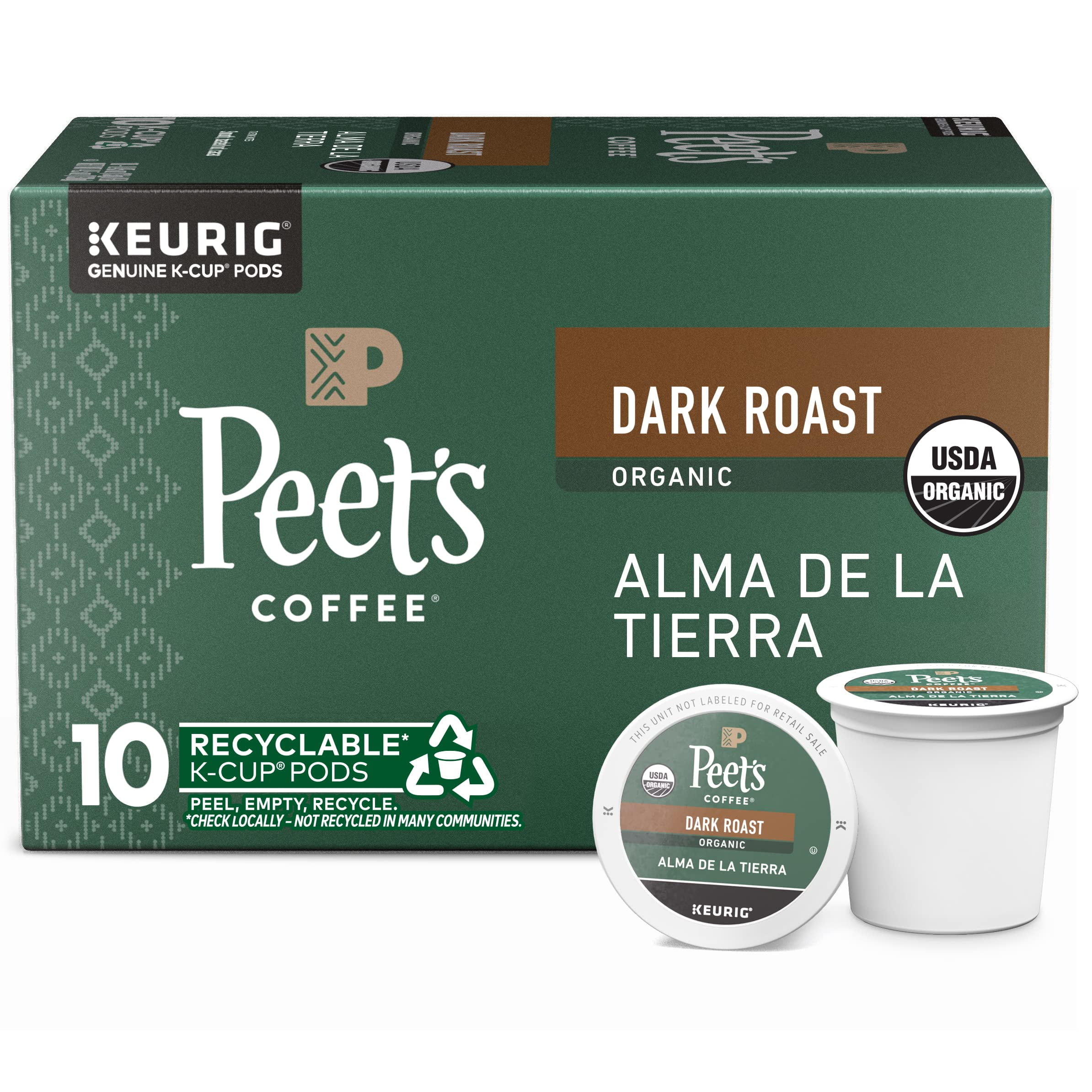
Peets invests in relationships with coffee farmers, ensuring they receive fair compensation and access to resources that improve crop quality and resilience. This approach results in better livelihoods and higher-quality beans.
Broader impact: These relationships foster sustainable farming practices, reduce environmental degradation, and ensure the longevity of coffee cultivation regions. It also elevates consumer trust, as buyers become more aware of the origins of their coffee.
Peets employs environmentally conscious practices, such as biodegradable bags and energy-efficient roasting technologies. These initiatives contribute to reducing the brand’s carbon footprint, aligning corporate responsibility with consumer values.
Personal reflection: As consumers become more conscious of their environmental impact, Peets’ stance on sustainability reinforces its image as a responsible leader in the coffee industry.
Peets holds numerous certifications, such as Fair Trade, Organic, and Rainforest Alliance. These accolades attest to their commitment to ethical sourcing and sustainability, reassuring customers that their coffee choices align with their values.
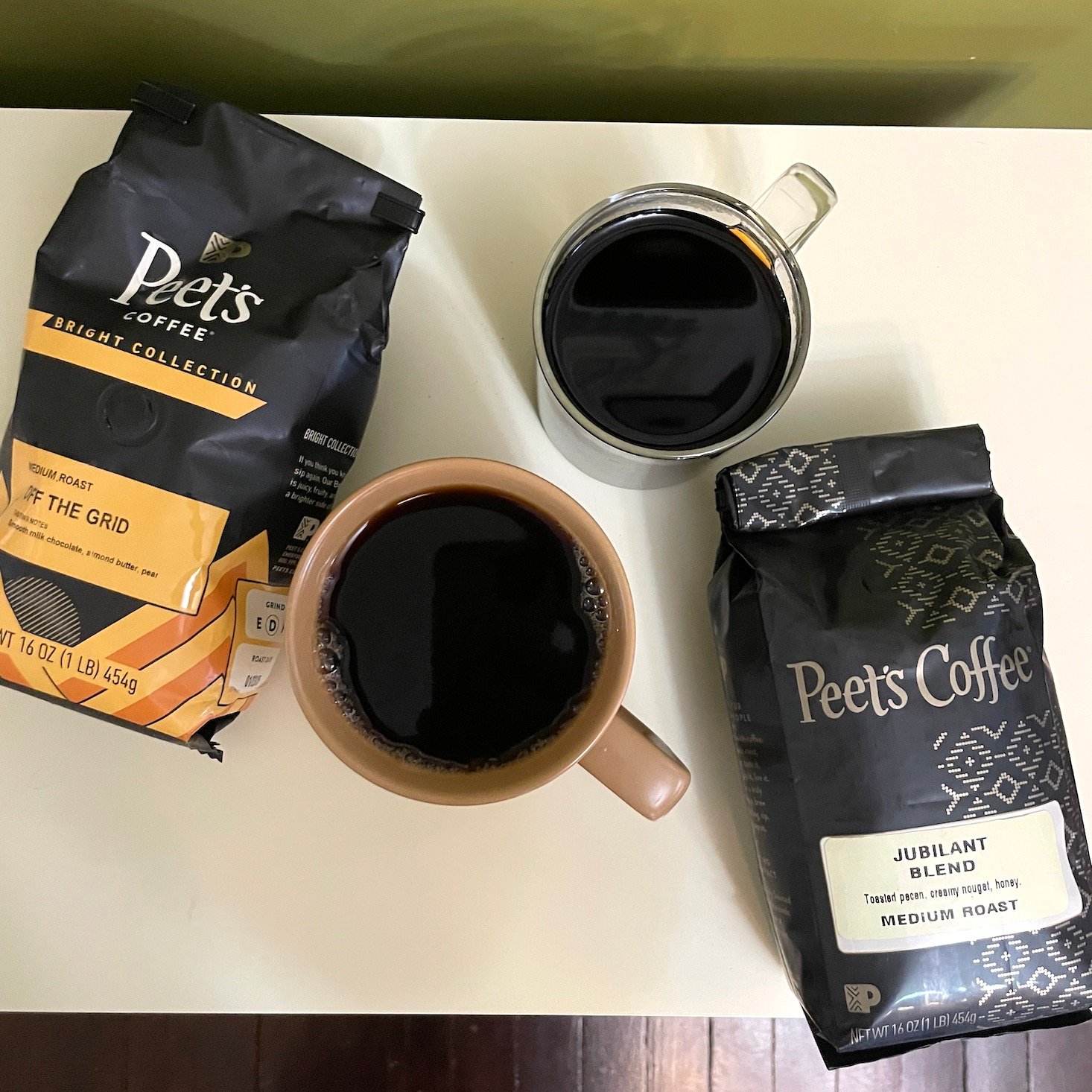
Peets is more than just a coffee brand; it is a symbol of heritage, craftsmanship, and a passionate pursuit of quality that continually elevates the coffee experience. From its humble beginnings rooted in meticulous roasting to its modern-day innovation in sustainability and customer engagement, Peets represents a legacy that resonates with coffee lovers worldwide. For those seeking a truly authentic and ethically sourced coffee journey, discovering Peets opens the door to a rich world of flavor, history, and purpose, making every cup a celebration of both tradition and progress.